
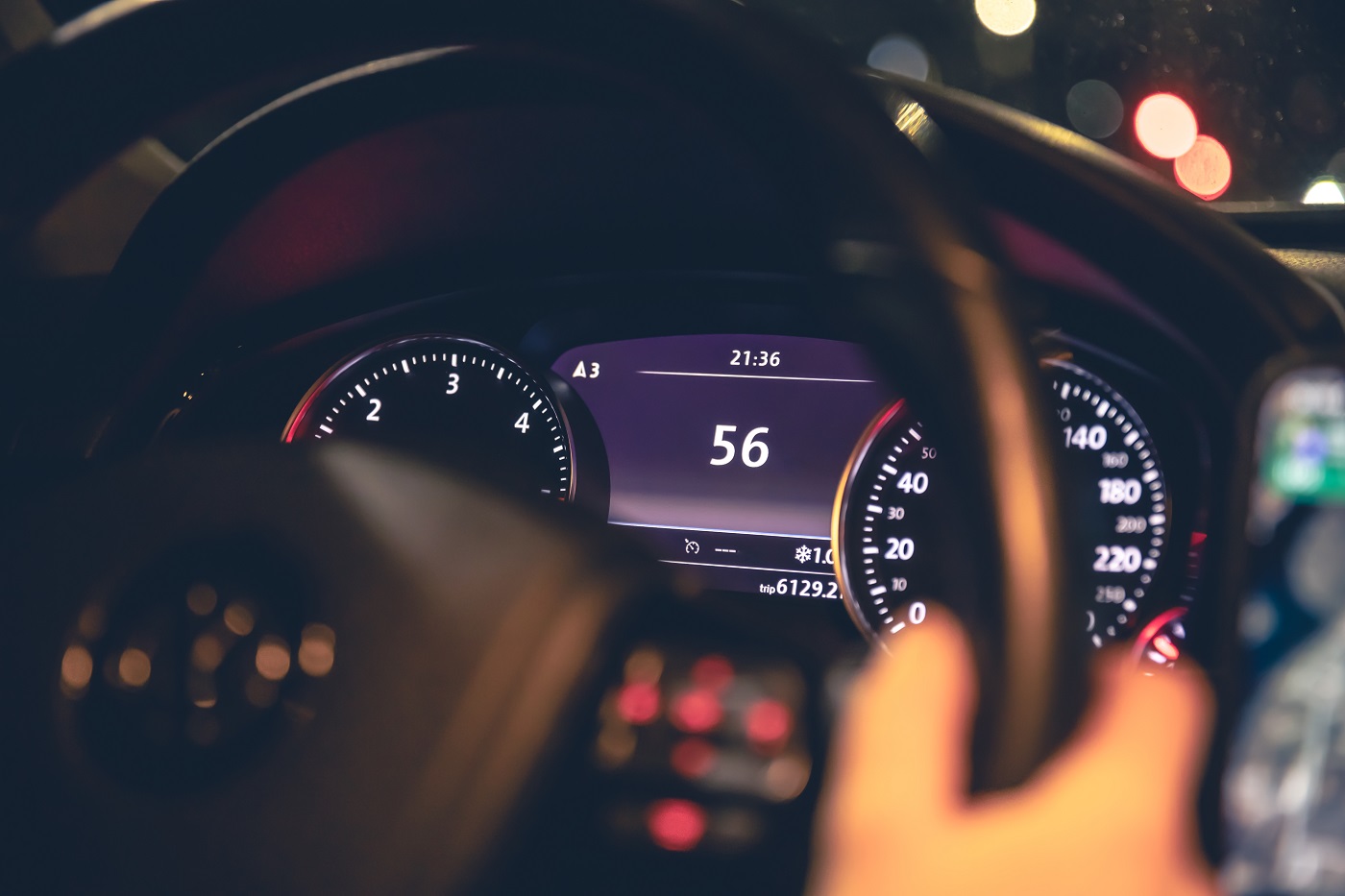

Fuel efficiency is one of the biggest concerns for car owners, especially with rising fuel prices. Many drivers assume that mileage depends only on the car model or engine size, but in reality, a car’s mileage is influenced by several controllable and uncontrollable factors.
Understanding the key factors that affect a car’s mileage and fuel efficiency helps drivers reduce fuel costs, improve performance, and extend the life of their vehicle. Small changes in habits and maintenance can lead to noticeable improvements over time.
Below are the most important factors that directly impact how efficiently a car uses fuel.
Driving Habits and Acceleration Patterns
Driving behavior plays a major role in fuel consumption.
Frequent hard acceleration, sudden braking, and aggressive driving force the engine to work harder, which increases fuel usage. Smooth acceleration and gradual braking allow the engine to operate efficiently and maintain optimal fuel-air balance.
Maintaining a steady speed, especially on highways, significantly improves mileage. Using cruise control when appropriate and avoiding unnecessary idling also help reduce fuel waste. Over time, disciplined driving habits can improve fuel efficiency more than most mechanical upgrades.
Vehicle Maintenance and Engine Condition
A well-maintained car always delivers better mileage.
Dirty air filters, old engine oil, worn spark plugs, and clogged fuel injectors reduce engine efficiency. When the engine cannot breathe or lubricate properly, it consumes more fuel to produce the same power.
Regular servicing ensures that all components work smoothly together. Timely oil changes, filter replacements, and engine tuning keep fuel combustion efficient and prevent gradual mileage loss that many drivers fail to notice.
Tire Pressure and Wheel Alignment
Tires have a direct connection to fuel efficiency.
Underinflated tires create more rolling resistance, forcing the engine to burn extra fuel. Even slightly low tire pressure can reduce mileage noticeably over long distances. Overinflated tires, on the other hand, affect grip and safety.
Proper wheel alignment and balanced tires ensure that the car moves smoothly without unnecessary drag. Regular tire pressure checks and alignment inspections help maintain consistent fuel efficiency and driving comfort.
Vehicle Load and Excess Weight
The weight a car carries significantly affects mileage.
Excess luggage, unused roof carriers, and heavy items stored in the boot increase the load on the engine. The heavier the car, the more fuel it requires to move, especially during acceleration and uphill driving.
Removing unnecessary weight and using roof racks only when needed can improve fuel efficiency. Keeping the car light helps the engine operate within its optimal range.
Road Conditions and Traffic Patterns
External conditions also influence fuel consumption.
Driving in heavy traffic with frequent stops leads to higher fuel usage compared to smooth-flowing roads. Poor road surfaces, steep inclines, and uneven terrain force the engine to work harder.
Planning routes to avoid congestion, choosing smoother roads, and driving during off-peak hours can help reduce fuel consumption over time.
Fuel Quality and Type
The quality and type of fuel used affect engine performance.
Using the recommended fuel grade ensures proper combustion and prevents engine knocking. Poor-quality fuel can reduce efficiency and cause long-term damage to engine components.
Sticking to trusted fuel stations and following manufacturer recommendations helps maintain consistent mileage and engine health.
Use of Air Conditioning and Electrical Systems
Electrical loads impact fuel efficiency more than many drivers realize.
Air conditioning, high-power audio systems, and additional electrical accessories increase engine load. Continuous use of AC at high settings, especially at low speeds, reduces mileage.
Using air conditioning wisely and switching off unnecessary electrical systems helps conserve fuel without sacrificing comfort.
Transmission Type and Gear Usage
How gears are used affects fuel consumption.
Driving in lower gears for too long increases engine RPM and fuel usage. Shifting gears at the right time keeps the engine within an efficient RPM range.
Manual and automatic transmissions both benefit from smooth gear transitions and avoiding unnecessary revving.
Final Thoughts
A car’s mileage and fuel efficiency depend on much more than just the engine. Driving habits, maintenance, tire health, load, road conditions, and fuel quality all work together to determine how efficiently fuel is used.
By understanding and managing these factors, drivers can significantly reduce fuel expenses, improve vehicle performance, and extend the life of their car. Fuel efficiency is not achieved overnight, but consistent smart practices make a clear difference over time.