
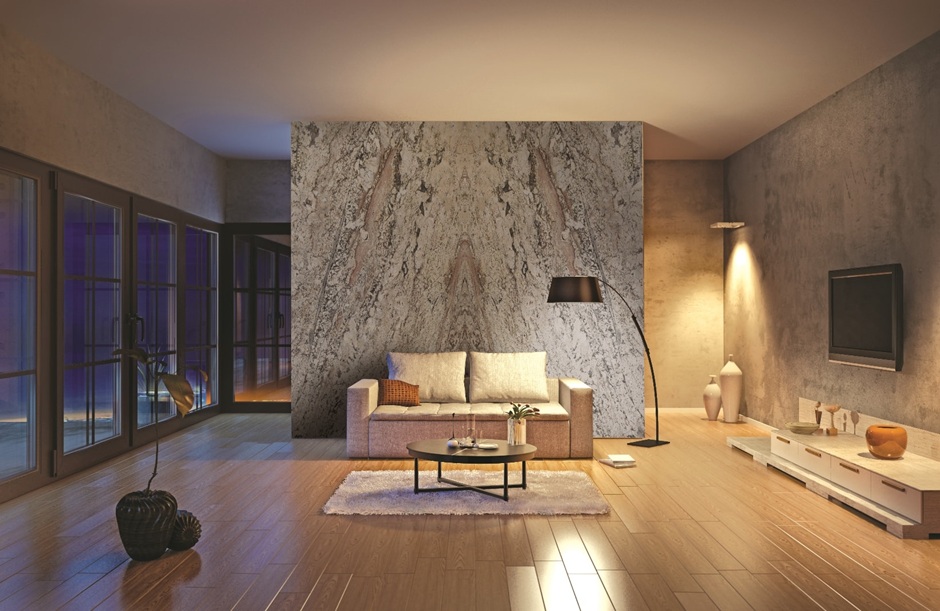

I don’t care how many Pinterest trends come and go, granite countertops still somehow survive every top 10 outdated kitchen trends list. And honestly? I get it. When people talk about kitchen upgrades that actually feel worth the money, this one almost always comes up. I’ve seen friends spend crazy amounts on smart appliances they barely use, but nobody complains about solid stone sitting quietly on their cabinets.
There’s something about walking into a kitchen and seeing natural stone that just feels… stable. Like the house has its life together even if you don’t.
Why People Keep Choosing Stone Even When Trends Shift
I remember a cousin of mine renovating her kitchen. She was torn between quartz and granite. She kept watching TikTok videos where designers were saying quartz is “cleaner looking” and “more modern.” But then she went to a showroom and touched real slabs. That was it. Decision made. Sometimes the internet talks too much and your gut just wins.
Natural stone has this personality. No two slabs are identical. It’s like fingerprints. That uniqueness is actually one reason resale value benefits from it. Realtors quietly admit that homes with granite countertops photograph better and get more attention online. And in today’s world where buyers scroll listings like they’re swiping on dating apps, first impressions matter a lot.
Financially speaking, I always compare it to buying a slightly expensive but reliable car. You pay more upfront, sure. But you’re not constantly repairing or replacing it. Granite lasts decades if maintained properly. It’s not some fragile surface that panics when you spill coffee.
The Durability Thing People Underestimate
People think of stone and assume it’s indestructible. It’s not. But it’s close enough for real life. Heat resistance is actually one of those lesser talked about benefits. You can put a hot pan down and not immediately regret your life choices. Try that on laminate and see what happens.
It does need sealing. That’s where some people hesitate. But honestly sealing once a year isn’t this huge dramatic task. It’s more like giving your car an annual service. Small effort, long term peace of mind.
There’s also this myth floating around on home improvement forums that granite stains super easily. That’s usually outdated info. Properly sealed stone resists most everyday messes. Unless you’re spilling wine daily and ignoring it for hours, you’ll be fine.
The Psychology of “Solid” in a Home
This might sound weird but heavy materials make a space feel permanent. There’s actually behavioral research suggesting people associate weight with value. That’s why luxury brands use thick packaging. Granite countertops subconsciously signal quality in the same way.
I once visited a newly built apartment where everything was glossy and minimal. It looked nice but kind of temporary, like a showroom. Compare that to an older home with deep stone surfaces and suddenly the space feels grounded. Stable. Mature.
And buyers notice. Even if they don’t say it directly, they feel it.
Are They Expensive? Yes. But Let’s Be Honest About Cost
Okay, let’s talk money without pretending we’re on a real estate podcast. Granite isn’t cheap. But neither is replacing cheaper surfaces every few years. The average installation cost varies widely depending on the slab and location, but when you spread that cost over twenty years, it doesn’t feel insane.
I’ve seen people spend more on phones in five years than on their kitchen surfaces. At least this doesn’t become obsolete when Apple launches something new.
There’s also a niche stat I came across while reading a housing market report last year. Homes with stone kitchen surfaces tend to recover a large portion of installation cost during resale. Not always 100 percent, but enough to soften the blow. That’s not guaranteed profit, but it’s definitely better than some flashy upgrades.
The Social Media Effect
If you scroll Instagram reels under kitchen renovation hashtags, you’ll notice something interesting. Even in ultra modern spaces, designers still sneak in natural stone somewhere. Sometimes it’s waterfall edges, sometimes it’s subtle patterns, but it’s there.
There’s a reason. Photos love texture. Light hits the surface differently throughout the day. It doesn’t look flat. That organic pattern gives depth without trying too hard.
And let’s be real, people care about how their kitchen looks on camera now. Birthday parties, family dinners, random cooking reels. The counter becomes the backdrop of half your life.
Maintenance Isn’t As Dramatic As People Think
I used to think granite was high maintenance. Then I lived in a rental with cheap composite counters that scratched if you looked at them wrong. Suddenly wiping and resealing stone once a year felt like nothing.
Cleaning is pretty straightforward. Mild soap, soft cloth. No need for complicated rituals. The horror stories usually come from neglect, not normal use.
If you’re super worried about long term performance, you can always check out granite countertops options from professionals who explain slab quality and sealing properly. Getting guidance matters more than obsessing over internet debates.
The Emotional Part Nobody Talks About
This might sound sentimental but kitchens hold memories. Late night chai, rushed breakfast mornings, random conversations leaning on the counter. When the surface feels solid and timeless, it kind of supports all that life happening on top of it.
I’ve noticed families rarely regret investing in foundational elements. Cabinets, flooring, stone. It’s like building strong bones for the house. Paint colors can change. Decor can change. But that core structure stays.
Also, natural stone ages gracefully. Tiny changes in finish over time don’t look worn out, they look lived in. There’s a difference. Scratches on cheaper materials scream damage. Minor patina on stone just feels human.
So Is It Overrated? Maybe. But Also Not Really
Are there other materials available now? Of course. Some are cheaper, some more uniform, some require less maintenance. But granite countertops have stayed relevant for decades for a reason. They balance beauty and practicality in a way that’s hard to beat.
If you’re renovating purely to chase trends, you’ll probably overthink it. If you’re upgrading because you want something that lasts and feels substantial, then stone makes sense.
Personally, I think homes should feel steady. Not experimental labs for design trends. And if one upgrade quietly adds durability, resale appeal, and visual depth without screaming for attention, that’s usually a smart move.