
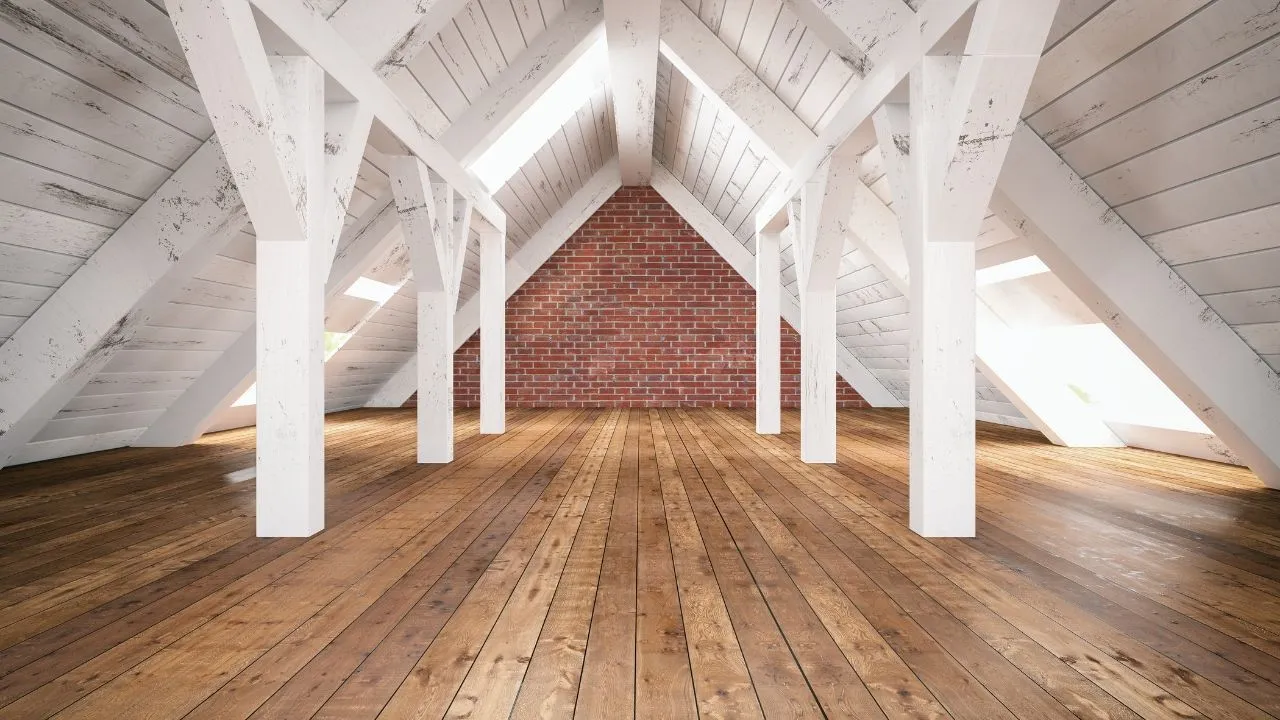

The attic is one of the least visited but most influential spaces in a home when it comes to energy performance, air quality, and structural health. Heat rises, and in a poorly insulated attic, it escapes in winter and accumulates in summer in ways that drive up energy costs and reduce comfort throughout the house. Addressing the attic is consistently among the highest-return energy improvement investments available to homeowners.
How Attic Insulation Works
Insulation slows the transfer of heat between the conditioned living space and the unconditioned attic above. In winter, this means heat stays in the house longer. In summer, it means the heat trapped in the attic transfers more slowly into the rooms below. Either way, the heating and cooling system runs less to maintain comfortable temperatures, which directly reduces energy consumption and utility bills.
Insulation is rated by R-value, which measures thermal resistance. Higher R-values indicate greater resistance to heat flow. The recommended R-value for attics varies by climate, with colder regions requiring higher values. Many older homes fall significantly below current recommendations, which is why upgrading attic insulation is so commonly identified as a priority in home energy audits.
Blown-In Attic Insulation Explained
The blown in attic insulation uses loose-fill material, typically cellulose or fibreglass, that is blown into the attic space using specialised equipment. It conforms to irregular surfaces, fills gaps around obstructions, and covers the entire attic floor evenly in ways that batt insulation cannot achieve in existing attics with structural members, ducts, and other obstacles.
The process is relatively quick, non-disruptive, and highly effective. It can be added over existing insulation if the current material is in good condition, or installed fresh after old material is removed.
Why Hire an Attic Cleaning Company Before Insulating
An attic cleaning company addresses contamination from rodents, insects, mould, or deteriorated old insulation before new material is installed. Insulating over contaminated material is counterproductive and can trap moisture or organic material that continues to cause problems. A professional cleaning ensures the new insulation goes into a clean, structurally sound environment where it will perform as intended.
The Combined Return on Investment
The combination of cleaning out compromised old material, addressing any structural or moisture issues identified, and installing fresh insulation to current standards typically produces energy savings that pay back the investment within a few years. Beyond the financial return, improved attic conditions contribute to better indoor air quality throughout the home, as the attic and living spaces exchange air to a greater degree than most homeowners realize.
Air Sealing and Ventilation for Lasting Efficiency
Insulation alone cannot deliver optimal performance if air leaks are present in the attic. Small gaps around plumbing vents, electrical wiring, recessed lighting, and attic hatches allow conditioned air to escape and unconditioned air to enter. Sealing these leaks before or during insulation upgrades is essential to maximize energy efficiency and prevent uneven temperatures throughout the home.
Proper ventilation is equally important to maintain a healthy attic environment. Ridge vents, soffit vents, or mechanical ventilation systems help regulate moisture levels and prevent heat buildup, especially in warmer months.