
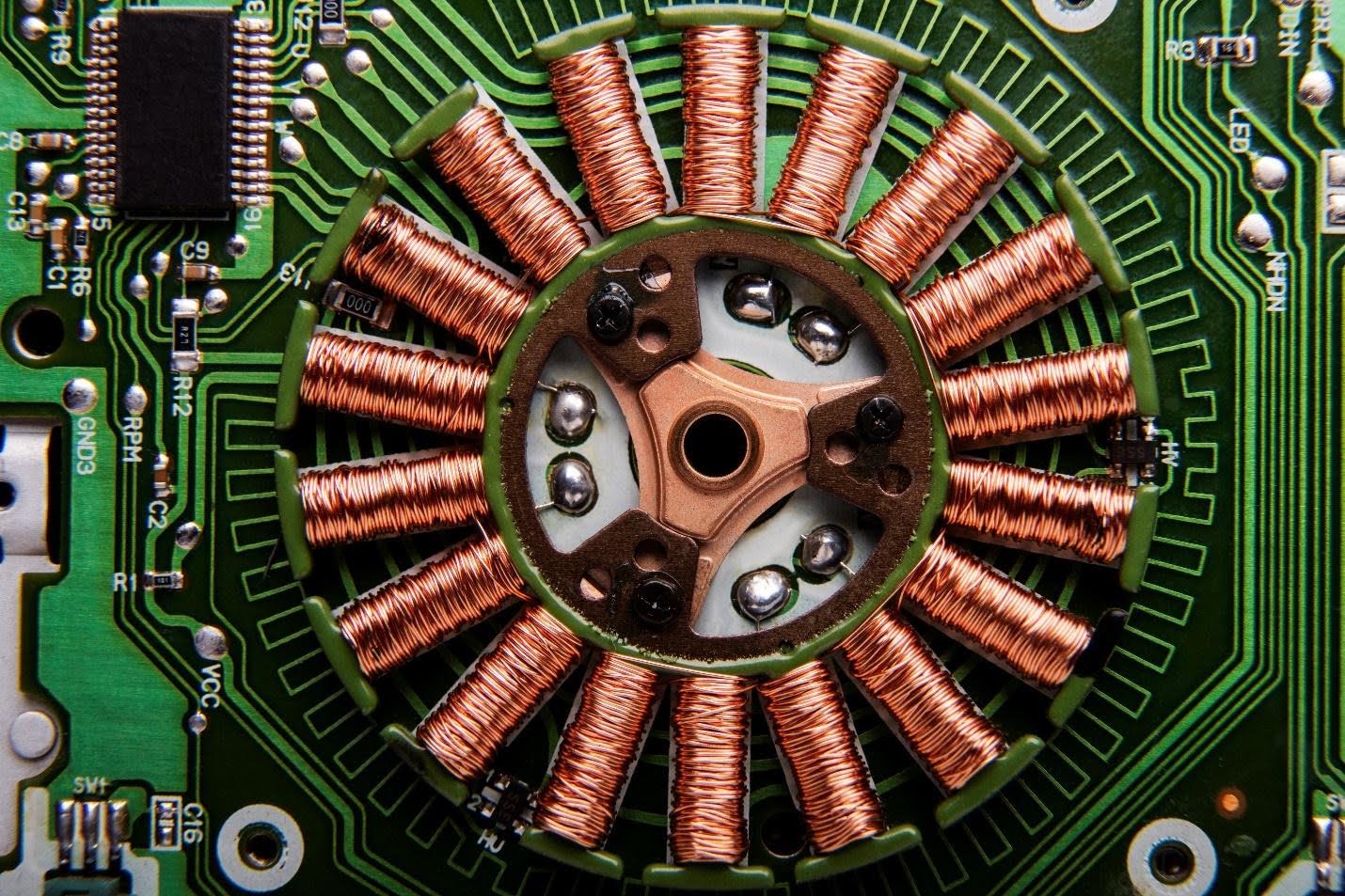

Transformer scrap consists of discarded electrical transformers that are recycled to recover valuable raw materials. These transformers typically consist of a steel casing, an electrical steel core, and internal windings made of heavy copper or aluminum wire. Because these metals are valuable, the transformers are highly sought after by scrapers and recycling facilities.
Scrap transformers by dismantling and recycling them to recover valuable inner metals. Because copper and aluminum windings are encased in steel, breaking them down and selling them to a specialized buyer can yield a significantly higher payout than selling the generic scrap. This guide outlines the process for effectively scrapping a transformer.
1. Unplug Electricity
Scraping a transformer is a labor-intensive process that involves significant physical and environmental risks. Transformers are industrial electrical components designed to contain high-value metals such as copper and aluminum within a heavy steel housing.
Before you start dismantling transformer scrap, ensure the transformer is completely de-energized from the power source. Attempting to dismantle or handle transformers that are still connected to a power source can result in severe electrical shock or electrocution.
2. Assess Safety and Environmental Risks
Older transformers, particularly larger industrial units, contain Polychlorinated Biphenyls (PCBs) in their insulating oil. PCBs are toxic and are regulated environmental pollutants. After unplugging the transformer from the power source, verify that it is labeled “non-PCB.” Leaking or opening a unit containing toxic oils requires specialized hazardous waste disposal.
Furthermore, dismantling the steel casing requires high-powered cutting tools, such as angle grinders or reciprocating saws. These tools pose risks of lacerations, flying debris, and sparks. Thus, proper Personal Protective Equipment (PPE), including impact-resistant safety glasses, heavy-duty work gloves, and respiratory protection, is essential.
3. Identify and Sort the Metals
After unplugging the transformer from the power source and assessing any safety and environmental hazards, you can proceed to scrap the transformer. Before you go ahead, use a magnet to check the exterior and confirm the presence of a heavy steel casing.
Test the wiring by lightly scratching the internal wire coils with metal files. Observe the metal; copper shows a reddish tint, whereas aluminum appears silvery. Aluminum wires are sometimes coated with red lacquer to mimic copper. Separate and sort the wires.
4. Dismantle the Unit
To maximize payout, disassemble the transformer to separate the core from the windings. Begin by removing the casing. Use basic hand tools, such as screwdrivers, to remove protective plastic or metal enclosures.
For smaller transformers, use a wood chisel and hammer to pound through the center core, prying the copper up. However, for transformers with visible welds, often found in microwaves, score the weld with a grinder and strike it with a heavy hammer to separate the pieces.
Once the steel layers are separated, use pliers, screwdrivers, or a pry bar to remove the copper or aluminum coils. Avoid burning transformers to remove plastic or insulation, as it may be illegal and leaves you with brittle, lower-grade copper that scrap yards penalize.
5. Recycling or Selling Transformers
Once you have dismantled the transformer scrap, you can send it for recycling or sell it to a transformer scrap dealer for a substantial payout. Make sure you have followed the process outlined above to scrap a transformer. Following these steps will enable you to scrap transformers effectively.