
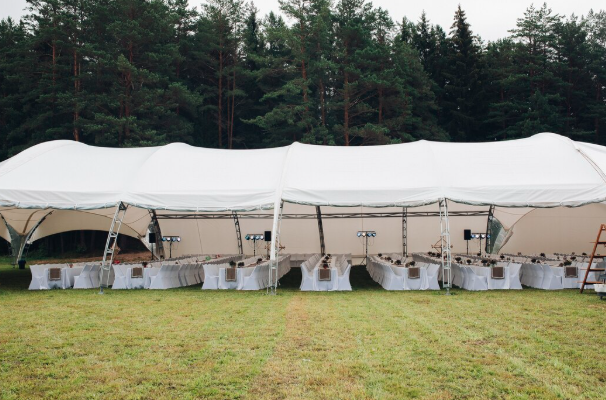

Planning a big outdoor function is more than just selecting a venue and sending out invitations. The right tent can impact comfort, safety, traffic flow, seating, catering, and overall experience. What may seem like the perfect tent online can fall short when the tables, stages, lighting, equipment, and guests are brought in.
That’s why you should take into account size, layout, weather, installation demands, and intended use before making a decision. These practical considerations can be usefully examined in the early stages of planning to ensure that the event structure enhances rather than restricts the event.
Know The Event Requirements
Start by establishing what the tent will have to fit. Think about the number of people attending, seating, catering stations, stages, entertainment, registration desks, and equipment. The size of the commercial event tents should not be just based on the number of guests.
The table setting is different for a seated dinner than it is for a standing reception, trade show, or corporate presentation. When choosing a tent, make a simple sketch of the floor plan. Even a basic drawing can determine how much space is available to use and where to place walkways or service areas.
Compare Commercial Tent Styles
There are various designs of tents that can be used for various purposes.
Canopy Tents: These tents have folding frames and can be set up fast without special tools. These are best for weekend markets or trade shows.
Frame Tents: These tents require a metal framework, and setup needs a professional crew. They are best for corporate events and long events.
Pole Tents: These are best as classic options; they have a high and peaked ceiling that makes them ideal for formal galas and other events.
Select a Tent That Fits Properly
It is important that the tent size is sufficient for a comfortable space for guests to move around. Don’t select the smallest tent available that will be able to accommodate the number you expect. Consider how people will move in the area.
Do not block entry or exit, tables, food stations, bars, or restrooms. If the event has a stage or large equipment, then take care of it separately. A professional tent provider can assist you with figuring out your layout and making it a size and plan that is suitable for your tent.
Take Into Account the Weather and Location
There are many factors to consider when planning an outdoor event, and it’s very important to take into account the weather. Weather and the elements such as sun, wind, rain, and temperature can impact guest comfort and the appropriateness of a tent.
Check the venue prior to choosing a building. Set up can be affected by the ground conditions, space available, drainage, presence of trees, utility lines, and access for installation equipment.
The tent should be suitable for the weather conditions that are expected, and the organizers should have a strategy for when severe weather occurs.
Check the Setup and Safety Information
The setup must be carefully considered as much as the tent’s setup. Inquire with the provider regarding access to delivery vehicles, setup time, anchoring, surface requirements, and removal after the event.
Ensure entrances and exits are easily accessible, and layout is not compromising emergency access. The set-up of electrical equipment, cooking facilities, lighting, and other event facilities should also be done safely.