
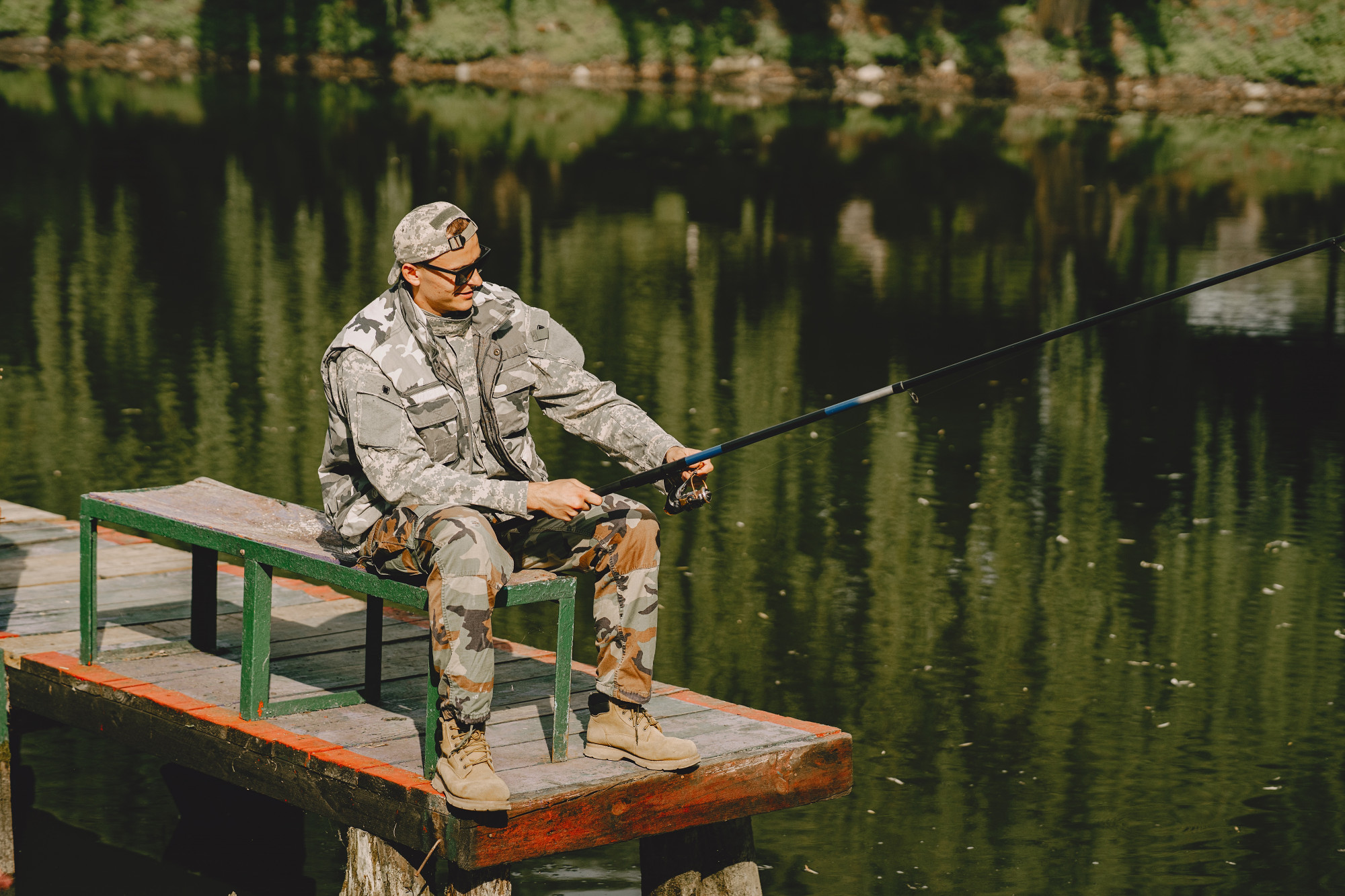

Fishing activity is considered the most relaxing activity you can do in your free time. It not only promotes mental relaxation but also nourishes your body if you catch some. Fishing is evolving, and fishermen have figured out various easy ways to do it. There is bait fishing, trolling, spin fishing, and jigging, but today we will discuss fly-fishing.
Fly fishing is a technique that uses extremely lightweight lures called artificial flies to attract and catch fish. This technique depends upon the proper angling of the gear. In contrast to traditional fishing techniques, fly fishing gets the heaviest bait and the lightest lure.
Let’s discuss tips, gear, and destinations to improve your fly fishing experience.
Fly-fishing in Patagonia, Chile
There are many great fishing destinations, including fly-fishing in Patagonia Chile. It is famous for its countless freshwater rivers, which are overflowing with fish. There is a famous river called the Rio Grande, which is home mainly to brown trout.
In Seychelles
Seychelles is one of the premier saltwater fly-fishing destinations. It has white-sand flats and coral heads. It is also known for bonefish weighing more than 2-3 kg.
Kamchatka and the Kola Peninsula in Russia
Russia is also a wild region for fishing. Kamchatka is the best destination in Russia for catching huge trophy rainbow trout, steelhead, and other salmon.
If you want to catch massive salmon, then the Kola Peninsula is famous for its high catch rates. For dry fly fishing in Kamchatka, it’s best to visit there in the month of July.
Tasmania, Australia
Tasmania has diverse water, which makes it a premier spot for fly fishing. It has various locations where you can enjoy fly fishing. The famous spots for fishing are in the central highlands, the Yenna River, and Western Lake. These locations have enormous brown and rainbow trout.
Tips For Fly-fishing
If we compare fly fishing to traditional fishing, traditional fishing is easier, as the lure has weight and usually catches fish more easily by hurting them. In fly fishing, due to the light or artificial lure, it’s easy for the fish to escape. That’s why better techniques are important for fly fishing.
If you are new, then here are a few tips to remember during fly-fishing
- Target slow waters in the beginning, where fish are calm and moving slowly.
- Work upstream to catch the trout because they move against the current.
- Wear polarized glasses during the day to reduce glare from horizontally polarized light reflected off the water’s surface.
- Check your line constantly to make sure it’s not tangled or wrapped around the rod.
- Don’t do false casting more than 2-3 times, as excessive false casting can reduce fishing efficiency.
Gears to Have During Fly-fishing
While fishing, even if your techniques are right, using improper gear will waste your effort, so it’s important to get yourself high-quality gear. The most important piece of equipment is a rod and reel, which should be at least 9 feet.
Other important tools, like a net and a fly box, are also important to keep with you. Always get high-quality boots for your fishing to avoid slipping in the boat.