
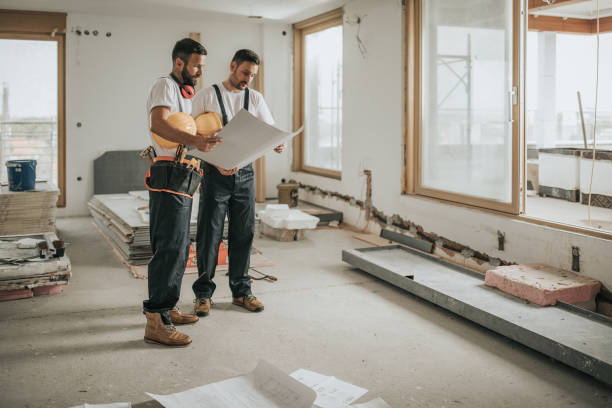

The moment you realize this isn’t just bricks and cement
I still remember the first time a friend asked me about construction. Not SEO, not content, not crypto — actual building. He had this stressed face like he’d just checked his demat account after a bad market day. That’s when it clicked for me. Construction is weirdly similar to finance. You’re investing big money, mostly upfront, hoping the returns don’t crack later. And yeah, that fear is real.
Most people think construction is just about workers, materials, timelines. But honestly, it’s more about trust. Once you hand over that first payment, it feels like sending your savings into the wild and praying it comes back as a house instead of a headache.
Why people underestimate how much planning actually saves money
Here’s a thing nobody on Instagram reels talks about. Bad planning burns more money than expensive materials. I’ve seen people go cheap on planning and then overspend 2x fixing mistakes later. It’s like skipping health insurance because you “feel fine.” Works until it doesn’t.
Proper Construction Services are less about flashy designs and more about avoiding dumb losses. Small example. A wrongly placed beam can force redesign later, and redesign means rework, and rework means money leaking slowly but constantly. Death by a thousand cuts, construction edition.
There’s a niche stat I once read and then lost the source for (classic me), but roughly 30 percent of construction cost overruns happen due to design and coordination errors, not material prices. That shocked me. Everyone blames cement rates or steel hikes, but the real villain is miscommunication.
What social media won’t tell you about “budget-friendly” builds
Scroll Instagram for five minutes and you’ll see perfect homes built “under budget.” What they don’t show is the stress behind the scenes. Delays. Vendor fights. Suddenly discovering plumbing doesn’t align with the layout. One viral reel showed a luxury kitchen for cheap, and the comments were full of “DM for details.” Yeah, right.
The reality is construction is not a one-time expense. It’s layers of decisions stacking on each other. Kind of like SIPs. Miss one month or choose the wrong fund, and the long-term impact sneaks up later. Reliable Construction Services act like a good financial advisor. Not exciting, but steady and protective.
The boring parts are actually the most important
Nobody likes talking about soil testing, approvals, load calculations. Zero dopamine. But these boring steps decide whether your building ages gracefully or starts showing cracks like a stressed student before exams.
I once spoke to a contractor who said most clients only call him after something goes wrong. That hit me. People try to save early, then pay extra later. It’s the same logic as avoiding maintenance on a car until it breaks down on a highway. Suddenly cost is no longer the issue, survival is.
Good construction work is invisible when done right. That’s why it’s undervalued. You don’t see the perfect alignment of internal systems, but you sure notice when water starts dripping from places it shouldn’t.
Why timelines lie and how to read between them
If someone promises a fixed deadline without flexibility, be cautious. Construction timelines are like weather forecasts. You can predict, but surprises happen. Material delays, labor shortages, permit issues — none of these show up in glossy proposals.
What matters more is how delays are handled. Transparent teams communicate early, adjust plans, and protect the budget where possible. The bad ones disappear until you chase them like unpaid dues.
This is where professional Construction Services quietly win. Not because delays never happen, but because chaos is managed instead of ignored.
My slightly embarrassing takeaway from watching projects fail
I used to think construction problems were overblown. Then I watched a relative’s project stall for months because of one approval oversight. Months. Interest costs kept piling up, rent still needed paying, and stress levels were through the roof. That’s when I stopped underestimating how complex building really is.
Construction isn’t about creating something new only. It’s about reducing future regret. Every good decision now is one less panic call later.
So why does it still feel risky even when done right?
Because unlike stocks, you can’t exit halfway. You can’t sell 40 percent of your house when markets dip. Once you start, you’re committed. That’s why choosing the right people matters more than choosing fancy tiles.
In a way, construction teaches patience better than any financial book. Slow progress. Delayed gratification. Long-term thinking. Maybe that’s why people who survive one build come out calmer, slightly older-looking, but wiser.